
How Collagen Impacts Aging Skin
Collagen is one of the most influential components of youthful, resilient skin. Yet as we move through life, our natural collagen levels begin to decline—slowly at first, then more noticeably. For many adults, especially those who value a polished, healthy complexion, understanding collagen’s role becomes an essential part of maintaining long-term confidence and skin vitality. In this educational guide from Modern Image Aesthetics & Wellness in Sarasota and University Park, FL, we’ll explore what collagen actually does, why it changes with age, and how certain treatments and lifestyle habits help support stronger, firmer skin.
Understanding Collagen and Its Role in Skin Structure
Collagen is the most abundant protein in the human body and serves as a key structural element within the skin. Think of it as the supportive framework that keeps skin smooth, lifted, and supple. It contributes to elasticity, hydration balance, and resilience against external stressors such as sunlight and environmental exposure. In youthful skin, collagen fibers are dense and well-organized, forming a natural cushion that maintains shape and firmness.
Beginning in our mid-20s, collagen production gradually slows. The body loses roughly 1% of its collagen each year, and factors like sun exposure, stress, and lifestyle habits can accelerate this decline. When collagen breaks down faster than it can be rebuilt, signs of aging become more visible—fine lines, laxity, or a diminished glow that develops gradually over time.
These shifts occur within deeper layers of the skin, not just the surface. That’s why long-term skin vitality requires a comprehensive approach that supports collagen integrity both internally and externally.
Why Collagen Declines With Age
Collagen loss is influenced by many natural processes, but one of the biggest contributors is cumulative sun exposure. Ultraviolet (UV) damage interferes with fibroblasts—the cells responsible for forming new collagen—and accelerates the breakdown of existing collagen fibers. Over time, this leads to wrinkles, textural changes, and a softer overall facial structure.
Aging skin also experiences a slower cell renewal cycle. When regeneration declines, the skin becomes thinner and more fragile. This makes the underlying collagen network more vulnerable to environmental damage. Additional factors, such as pollution, chronic stress, and hormonal changes, also play a role by increasing oxidative stress and inflammation.
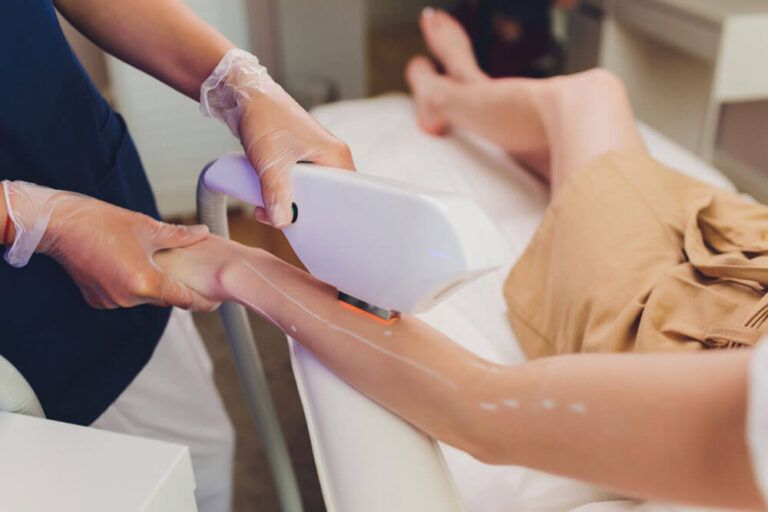
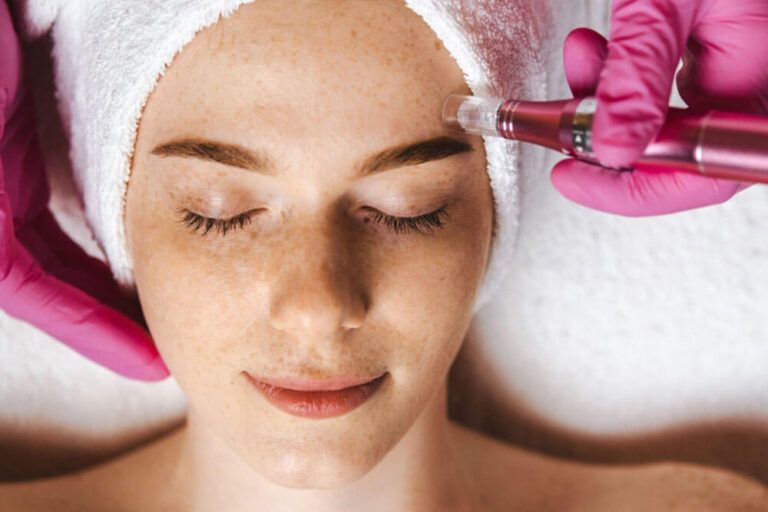
Innovative technologies can help support collagen rebuilding. Treatments that use a combination of microneedling and gentle radiofrequency energy, such as the approach described in Secret RF skin tightening, stimulate the deeper layers of the skin where collagen is formed. Over time, these methods encourage natural renewal and improved firmness.
Collagen and Visible Signs of Aging
As collagen levels decline, the skin gradually loses its structural support. Areas like the cheeks, jawline, and under-eye region may appear softer or less defined. Expressive lines begin as temporary creases but become more permanent as elasticity fades.
Collagen also helps maintain the skin’s moisture balance. With reduced collagen, the dermal layer becomes less efficient at retaining hydration, leaving the skin more susceptible to dryness or roughness. Even with consistent skincare, these deeper structural changes eventually influence surface texture.
Supporting collagen health helps maintain a more youthful appearance and promotes long-term resilience. While aging is an ongoing process, informed choices allow individuals to age with greater comfort, confidence, and grace.
Ways to Support Healthy Collagen Levels
Supporting collagen is not about attempting to halt the aging process, but rather helping the skin age in a way that maintains vitality and strength. Professional treatments, skincare routines, and healthy daily habits all contribute to stronger collagen networks.
Lifestyle Habits That Promote Collagen Wellness
A well-rounded approach delivers the greatest long-term benefits. The following habits help protect existing collagen and support natural regeneration:
• Wear broad-spectrum sunscreen daily.
• Incorporate antioxidants like vitamin C into diet or skincare routines.
• Stay well-hydrated to support healthy cellular function.
• Limit smoking and excess alcohol, which accelerate collagen breakdown.
• Eat foods rich in amino acids, minerals, and antioxidants.
• Manage stress levels to support the body’s repair processes.
• Prioritize restful sleep, which aids overnight renewal.
Skincare That Supports Collagen Strength
Topical products can help reinforce collagen health when used consistently. Retinoids, peptides, and antioxidant-rich formulas support smoother texture and improved firmness. While skincare plays a vital role, deeper collagen stimulation typically requires targeted treatments capable of reaching the deeper dermal layers.
Innovations That Encourage Collagen Renewal
Modern rejuvenation treatments use controlled thermal energy, micro-injuries, or regenerative ingredients to activate fibroblasts and stimulate new collagen production. Techniques such as microneedling combined with radiofrequency energy provide a precise, controlled way to encourage the skin to repair itself from within. Over time, these strategies can enhance firmness and elasticity.
Some approaches use regenerative components derived from the patient’s own biology. Treatments like Cellenis DermaFiller work with the body’s natural processes to restore volume and support improved skin quality. These techniques complement collagen-focused care by addressing both structure and texture.
Rebuilding Strength and Elasticity Through a Holistic Approach
Healthy skin aging is not about achieving perfection. It is about understanding the factors that influence collagen health and making choices that support your skin’s natural resilience. Collagen forms the foundation of youthful skin, and caring for it thoughtfully helps maintain strength, structure, and radiance over time.
Whether through lifestyle habits, informed skincare choices, or advanced rejuvenation techniques, supporting collagen is an investment in long-term skin wellness. For individuals in Sarasota and University Park, Modern Image Aesthetics & Wellness offers educational insights that empower you to care for your skin with confidence as it evolves.
Sources
Shin, J.W. et al. (2019). Skin anti-aging strategies. Journal of Dermatological Science.
Varani, J. et al. (2006). Decreased collagen production in chronologically aged skin. American Journal of Pathology.
Fisher, G.J. et al. (2002). Mechanisms of photoaging and chronological skin aging. Archives of Dermatology.