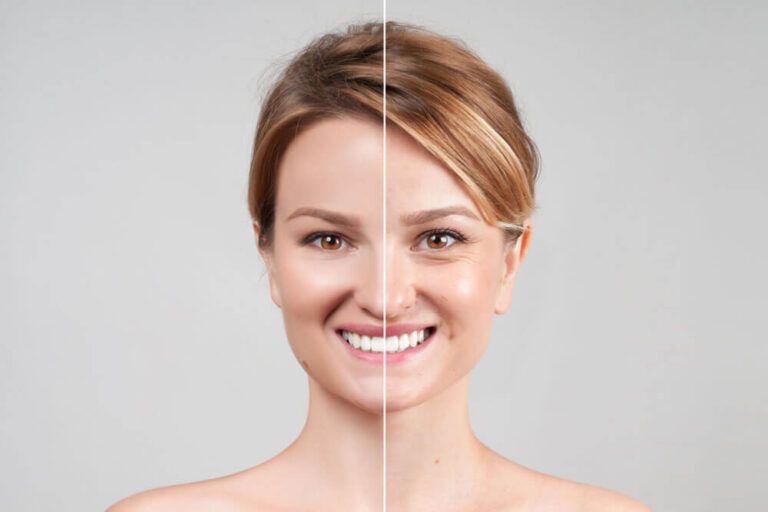


Everyone experiences moments when their complexion looks tired, flat, or uneven. Dull skin is one of the most common concerns among adults seeking more radiance and a healthy glow. Even with a consistent skincare routine, environmental stress, dehydration, lifestyle habits, and slowed cell turnover can contribute to a lackluster appearance.
In this educational guide from Modern Image Aesthetics & Wellness in Sarasota and University Park, FL, we explore the reasons behind dull skin and the most effective strategies—both at home and in-office—to restore brightness, smoothness, and vitality.
Why Skin Loses Its Natural Glow
Healthy, radiant skin reflects light evenly and maintains a smooth texture. When dullness appears, it typically signals changes in hydration, cellular turnover, or barrier strength. As we age, the skin naturally becomes slower to renew itself. Dead skin cells linger on the surface, making texture appear rougher and reducing the fresh, luminous tone associated with youthful skin.
Environmental exposure also plays a major role. Sunlight, pollution, and dry weather can weaken the skin’s barrier, increase oxidative stress, and trigger inflammation—all contributing to a more fatigued look. Even stress, sleep habits, and daily routines can impact how vibrantly the skin appears.
In many cases, dull skin is simply a sign that the skin needs more support—hydration, exfoliation, nourishment, and protection—to function at its best.
The Most Common Contributors to Dull-Looking Skin
Dullness rarely stems from one factor alone. Instead, it typically reflects a combination of internal and external influences.
Dehydration
When the skin lacks moisture, it loses its plumpness and soft glow. Dehydration accentuates fine lines, flakiness, and rough texture. The skin may also feel tighter, making makeup settle unevenly.
Slowed Cell Turnover
As cell renewal slows, older cells accumulate on the surface, preventing light from reflecting evenly. This buildup contributes to a cloudy or matte look that skincare products alone may not fully resolve.
Environmental Stress
UV rays and pollution contribute to free radical exposure. Over time, this breaks down collagen, damages the barrier, and leads to pigmentation irregularities, all of which dull the complexion.
Sleep and Stress Imbalances
The skin performs most of its repair processes overnight. Irregular sleep or chronic stress can slow circulation, reduce oxygen flow to tissues, and impair the renewal process.
Insufficient Skin Nourishment
Nutrients such as vitamins C and E, antioxidants, peptides, and hydrating humectants support brightness and smoothness. Without them, the skin may appear uneven or flat.
How to Restore Glow and Improve Skin Texture
Brightening the complexion involves supporting the skin from multiple angles: hydration, exfoliation, renewal, and protection. With consistency, these habits help reveal a smoother, more radiant appearance.
Strengthen the Skin Barrier
The barrier protects against dryness and external stressors. A strong barrier retains moisture and helps maintain softness. Moisturizers with ceramides, hyaluronic acid, and soothing botanicals promote resilience and improved texture.
Support Healthy Cell Turnover
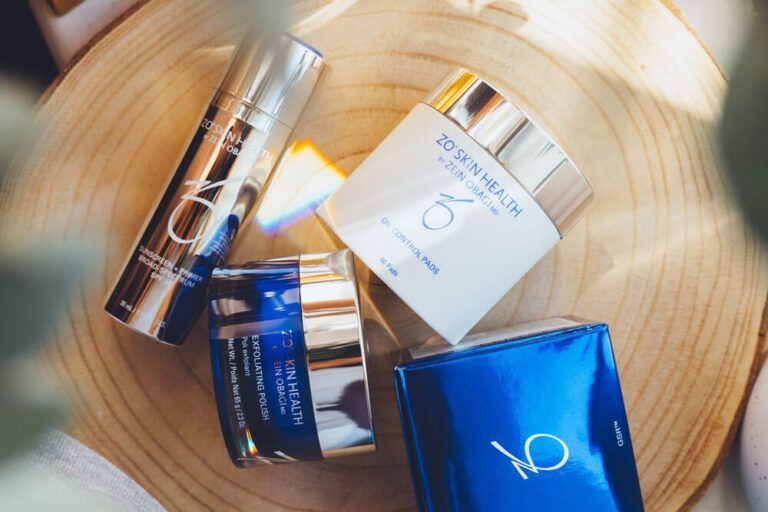
Exfoliating acids, retinoids, and resurfacing treatments help shed dead skin cells while encouraging fresh ones to rise to the surface. Over time, this smooths texture and enhances luminosity. A thoughtful routine may include medical-grade skin care, which typically offers more advanced formulations designed to improve clarity and brightness.
Improve Hydration
Hydrated skin appears more plump, youthful, and light-reflective. Drinking water, using hydrating serums, and maintaining a routine that locks in moisture contribute significantly to radiance.
Protect the Skin Daily
UV protection is essential for preventing premature aging and dullness. Sunscreen helps maintain brightness by shielding the skin from environmental aggressors that break down collagen and pigment balance.
Treatments That Help Brighten and Refresh Dull Skin
Professional treatments offer deeper renewal for individuals seeking more dramatic or long-lasting improvement. Several options specifically address dullness, texture concerns, and lack of glow.
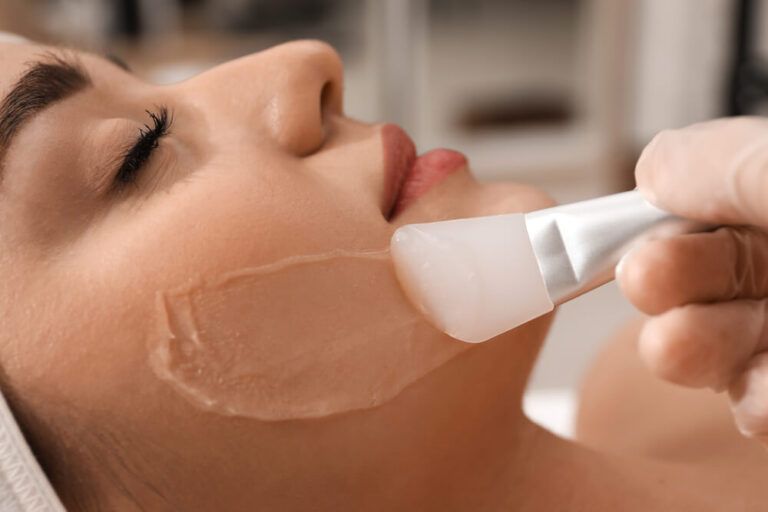
One popular choice is a hydrating, nourishing facial such as the AquaFirme facial. This type of treatment helps cleanse, exfoliate, oxygenate, and hydrate the skin, leaving it looking refreshed and smooth.
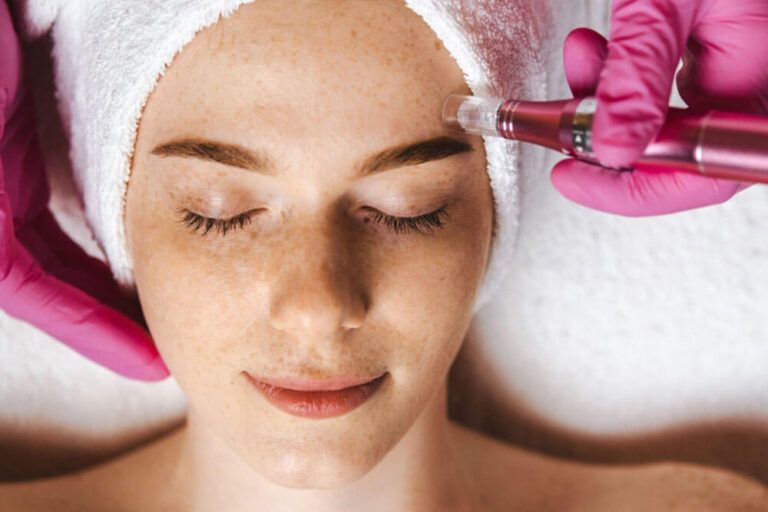
For individuals experiencing dullness due to aging or reduced elasticity, collagen-stimulating treatments may help. Technologies such as those described in Secret RF skin tightening use microneedling and radiofrequency energy to improve texture, firmness, and radiance from within.
Another rejuvenation method is the Fotona4D non-surgical facelift, which targets multiple layers of the face to support lifting, smoothing, and tone improvement. Because it addresses internal collagen remodeling while refining the surface, it can be especially helpful for restoring a youthful glow.
Simple Daily Habits That Help Brighten Skin
Below is the single bulleted section allowed per SOP:
• Cleanse gently to remove buildup
• Use antioxidants to defend against environmental damage
• Stay hydrated throughout the day
• Maintain consistent sleep routines
• Apply sunscreen every morning
• Incorporate ingredients that support brightening
• Reduce habits that contribute to dehydration or dull texture
These practices help strengthen the skin’s foundation and complement in-office treatments.
Restoring Radiance Through Consistency and Care
Dull skin is a common concern, but it can be addressed through thoughtful habits, quality skincare, and treatments that support both renewal and hydration. Whether your dullness is caused by environmental exposure, stress, or slowed cell turnover, taking a supportive approach helps the skin regain its natural brightness and smooth texture.
If you’re in Sarasota or University Park, Modern Image Aesthetics & Wellness offers educational insight to help you understand the factors affecting your complexion so you can make informed, confident decisions about how to support healthy, glowing skin.
Sources
Rawlings, A.V. et al. (2007). Skin moisturization and barrier repair. Dermatologic Therapy.
Pullar, J.M. et al. (2017). The roles of vitamin C in skin health. Nutrients.
Vierkotter, A. et al. (2010). Airborne pollution and skin aging. Journal of Investigative Dermatology.