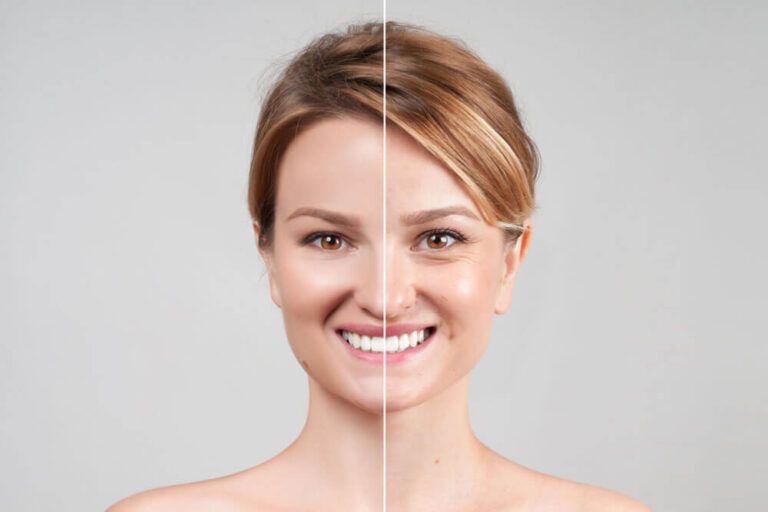

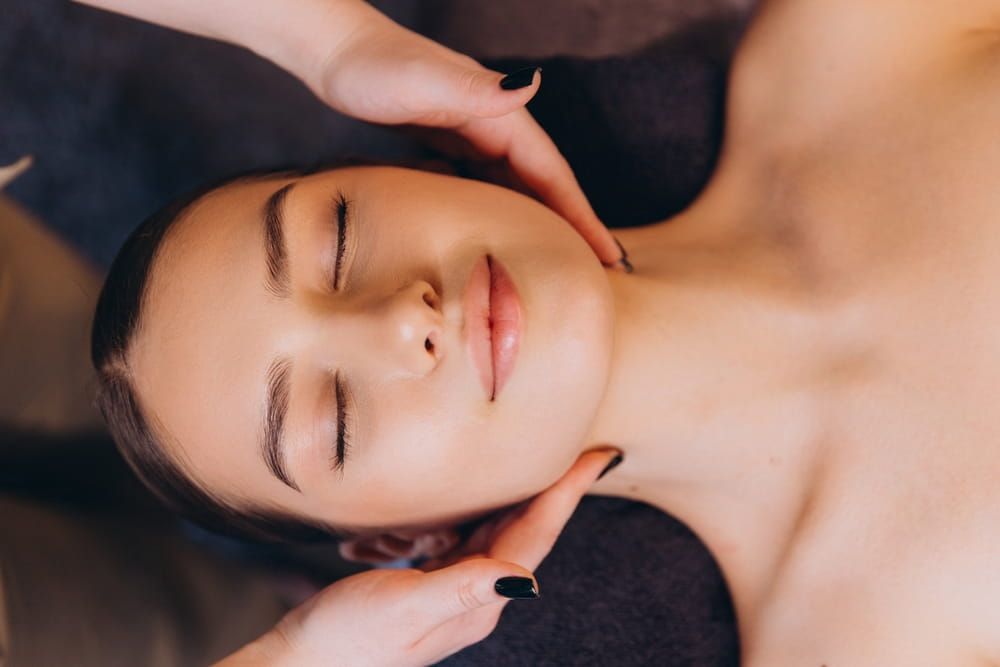
Dark spots and uneven skin tone are among the most common concerns in modern skincare. These areas of discoloration, often referred to as hyperpigmentation, can appear gradually due to sun exposure, hormonal changes, aging, or inflammation. While they are extremely common, many people seek ways to restore a smoother, more radiant complexion. At Modern Image Aesthetics & Wellness in Sarasota and University Park, the focus is on understanding how hyperpigmentation develops and exploring modern approaches that help support clearer, more even-looking skin.
With advancements in skincare science and aesthetic technologies, individuals today have access to a range of solutions designed to brighten dull areas and reduce the appearance of discoloration. Learning about the causes of dark spots and the available treatment strategies is the first step toward achieving balanced, healthy-looking skin.
Understanding What Causes Dark Spots
Hyperpigmentation occurs when the skin produces excess melanin, the pigment responsible for color in the skin, hair, and eyes. This increase in melanin can occur for several reasons, and understanding the root cause is essential when selecting the most appropriate treatment approach.
Sun exposure is one of the leading contributors to dark spots. Ultraviolet radiation stimulates melanocytes—the pigment-producing cells in the skin—to produce more melanin as a natural protective response. Over time, this can lead to concentrated areas of pigment that appear as sunspots or age spots.
Inflammation is another common trigger. Acne breakouts, skin injuries, or irritation can cause post-inflammatory hyperpigmentation. In these cases, the skin responds to trauma by producing additional pigment during the healing process. Hormonal fluctuations, especially those related to pregnancy or birth control, can also contribute to conditions such as melasma, which often appears as larger patches of discoloration across the cheeks, forehead, or upper lip.
Because hyperpigmentation develops through multiple pathways, effective treatment often requires a combination of strategies that address both pigment production and skin renewal.
The Role of Targeted Skincare in Brightening Skin Tone
A well-designed skincare routine is often the foundation of improving uneven skin tone. Ingredients that regulate pigment production and encourage healthy cell turnover can gradually reduce the appearance of dark spots.
Brightening ingredients such as vitamin C, niacinamide, azelaic acid, and certain peptides are commonly used to help interrupt the process that leads to excess melanin formation. Retinoids and exfoliating acids, such as glycolic or lactic acid, promote the shedding of older pigmented cells and encourage new skin to emerge.
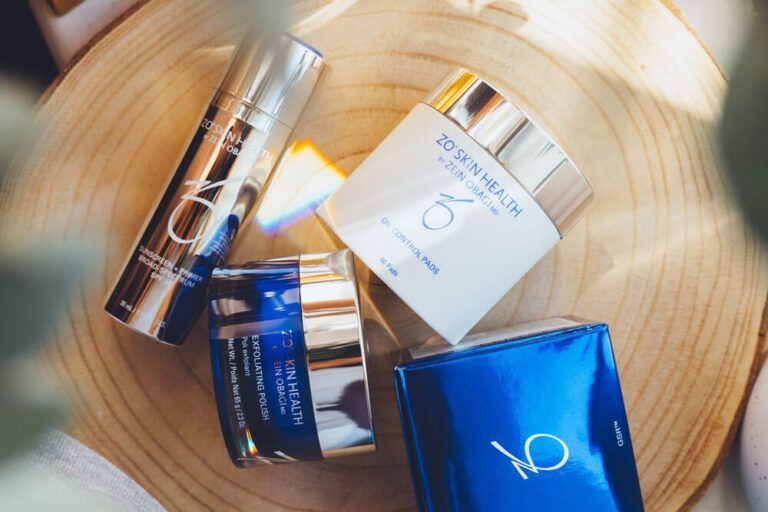
Consistency plays a critical role. Because the skin naturally renews itself every several weeks, visible improvement often occurs gradually as discolored cells are replaced with new ones. Many individuals choose to incorporate products formulated with clinically tested ingredients through professional-grade regimens like medical-grade skincare to support more predictable results and improved skin clarity.
Protecting the skin with daily sunscreen is equally important. Without UV protection, newly treated skin can easily develop additional pigment, which can slow progress toward a more even complexion.
Advanced Treatments for Persistent Hyperpigmentation
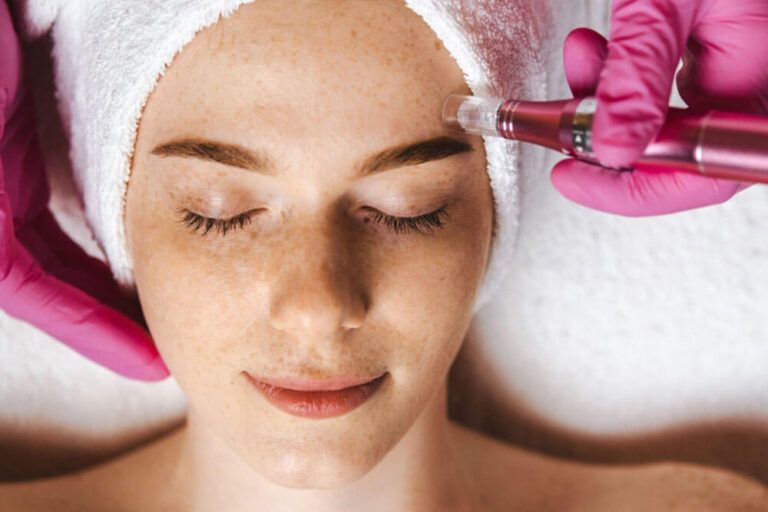
While topical skincare is valuable, some forms of hyperpigmentation respond more effectively when combined with professional treatments. Technologies designed to stimulate collagen production, refine skin texture, and support cellular renewal can help enhance the results of brightening products.
Radiofrequency-based treatments are often used to support overall skin rejuvenation. For example, technologies like Secret RF skin tightening work by delivering controlled energy into deeper layers of the skin, encouraging collagen remodeling and gradual improvement in tone and texture.
Laser-based systems may also be used to target pigment directly by breaking it into smaller particles that the body can eliminate naturally over time. These technologies have evolved significantly and are designed to address discoloration with improved precision while preserving surrounding tissue.
Because each individual’s skin type, pigment depth, and sensitivity are different, treatments are typically customized to support gradual, natural-looking improvements rather than aggressive changes.
Facial Treatments That Support Skin Renewal
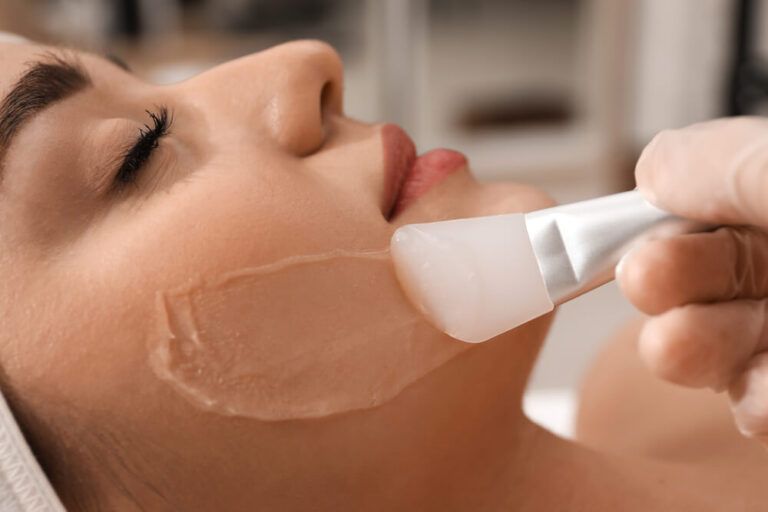
Skin rejuvenation therapies that improve hydration and circulation can also contribute to a brighter, healthier complexion. Facials designed to deeply cleanse, exfoliate, and nourish the skin help remove surface debris and promote smoother texture.
One example is AquaFirme facial therapy, which combines hydration, gentle exfoliation, and antioxidant infusion to enhance overall skin vitality. Treatments that deliver moisture and nutrients into the skin can improve luminosity and make areas of discoloration appear less pronounced.
When used alongside targeted pigment-correcting products, these rejuvenating treatments support a holistic approach to skincare that focuses on both tone and texture. Many individuals incorporate facial treatments periodically as part of an ongoing skincare routine designed to maintain healthy-looking skin.
Lifestyle Habits That Influence Skin Tone
Healthy skin reflects not only skincare practices but also daily habits. Several lifestyle factors influence the development of dark spots and uneven pigmentation.
Sun exposure remains the most significant contributor. Even brief periods of UV exposure can stimulate pigment production, particularly in individuals prone to melasma or sunspots. Wearing sunscreen daily and seeking shade when possible are among the most effective strategies for preventing new discoloration.
Hydration, balanced nutrition, and proper sleep also support the skin’s natural repair processes. Some people explore wellness treatments such as IV infusions as part of a broader self-care routine aimed at supporting overall vitality and skin health.
Stress management is another factor that can influence hormonal balance and inflammation within the body. Activities such as yoga, meditation, or regular exercise may indirectly support clearer skin by reducing systemic stress responses.
Tips for Maintaining an Even Skin Tone
Once improvements begin to appear, maintaining an even complexion involves consistent care and protective habits.
• Apply broad-spectrum sunscreen daily, even on cloudy days.
• Avoid picking at blemishes or irritation that can lead to post-inflammatory hyperpigmentation.
• Use gentle exfoliation to encourage healthy skin turnover.
• Maintain a consistent skincare routine with brightening ingredients.
• Support skin health with hydration, nutrition, and stress management.
These habits help protect the progress made through skincare and professional treatments while supporting long-term skin clarity.
Achieving Radiant, Balanced Skin
Hyperpigmentation is extremely common, but it does not have to define the appearance of your skin. With a deeper understanding of how dark spots develop and the wide range of modern treatment options available, it is possible to gradually restore a brighter, more even complexion.
By combining targeted skincare, professional treatments, and healthy lifestyle habits, individuals can address discoloration while maintaining skin health and resilience. For those in Sarasota and University Park, FL seeking education about these approaches, Modern Image Aesthetics & Wellness serves as a trusted resource for understanding how contemporary aesthetic science supports clearer, more balanced skin tone.
Sources
Handog, E. B., Datuin, M. S., & Singzon, I. A. (2019). Chemical peels and topical agents for the treatment of hyperpigmentation. Journal of Dermatological Treatment.
Grimes, P. E. (2020). Management of hyperpigmentation in darker skin types. Journal of Clinical and Aesthetic Dermatology.
Taylor, S. C., Cook-Bolden, F., & Rahman, Z. (2021). Advances in treating hyperpigmentation. Dermatologic Clinics.