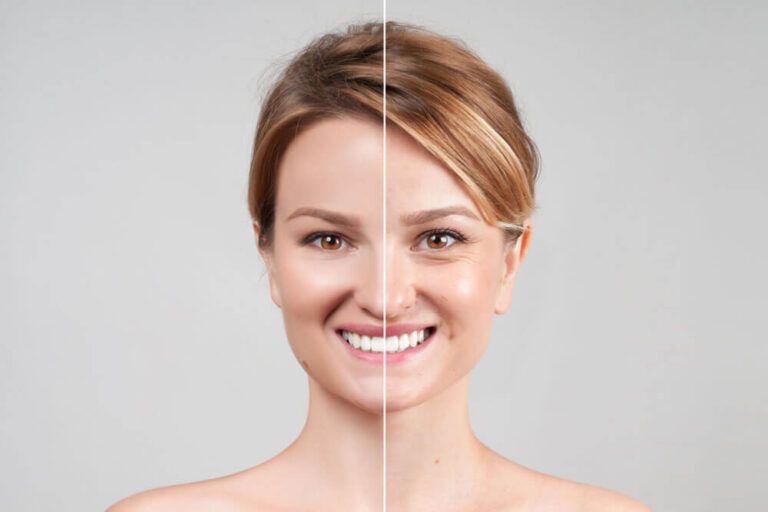

As the years pass, changes in facial structure become more noticeable, often showing up as hollowed cheeks, thinner lips, or a less defined jawline. These shifts are a natural part of aging, yet they can subtly alter how individuals feel about their appearance. In Sarasota and University Park, FL, many people are becoming more aware of how facial volume loss contributes to an aged or tired look. Modern Image Aesthetics & Wellness in Sarasota and University Park, FL reflects a growing interest in understanding these changes and exploring ways to maintain a refreshed, balanced appearance. By learning how and why volume loss occurs, individuals can better navigate the options available for restoring youthful contours in a natural and refined way.
What Is Facial Volume Loss?
Facial volume loss refers to the gradual reduction of fullness in the face over time. This process affects multiple layers of the face, including the skin, fat, muscle, and even the underlying bone structure. While it is a normal part of aging, the extent and pattern of volume loss can vary from person to person.
In youth, the face typically has a smooth, rounded appearance with evenly distributed fat pads that create soft contours. As these fat pads shift or diminish, the face may begin to appear more angular or hollow. This change is often most noticeable in areas such as the cheeks, under-eye region, temples, and around the mouth.
Volume loss does not occur in isolation. It often works in combination with other signs of aging, such as skin laxity and fine lines. Together, these changes contribute to the overall perception of aging, even if the skin itself remains relatively healthy.
Why Volume Loss Happens with Age
Several biological factors contribute to facial volume loss, each playing a role in how the face evolves. One of the primary causes is the natural decrease in collagen and elastin production. These proteins are responsible for maintaining skin structure and elasticity, and their decline leads to less support for the overlying tissues.
Another key factor is the redistribution and reduction of facial fat. In younger individuals, fat is evenly distributed and provides a smooth, youthful contour. With age, these fat compartments can shrink, shift downward, or become less defined, resulting in hollow areas and sagging.
Bone structure also changes over time. Subtle bone resorption can occur, particularly in areas like the jaw and cheekbones, reducing the foundation that supports facial tissues. This structural change further contributes to the appearance of volume loss.
External influences, such as sun exposure, lifestyle habits, and environmental stressors, can accelerate these natural processes. Together, these factors create a gradual but noticeable transformation in facial appearance.
Common Areas Affected by Volume Loss
Facial volume loss tends to occur in predictable patterns, affecting certain areas more prominently than others. Understanding these areas can help individuals recognize changes and consider appropriate solutions.
The cheeks are often one of the first areas to show volume loss. As fullness decreases, the mid-face may appear flattened, and the transition between the lower eyelid and cheek can become more pronounced. This can contribute to a tired or aged appearance.
The under-eye area is another common concern. Volume loss in this region can create hollowing or shadows, sometimes referred to as tear troughs. These changes can make the eyes appear less vibrant, even when well-rested.
Around the mouth, volume loss can lead to the development of lines and folds, such as nasolabial folds or marionette lines. The lips themselves may also become thinner over time, losing some of their natural definition.
The jawline and temples are also affected. A less defined jawline and hollow temples can subtly alter facial balance, contributing to an overall change in appearance.
How Modern Treatments Address Volume Loss
Advancements in aesthetic medicine have made it possible to address facial volume loss in a way that prioritizes natural-looking results. Rather than focusing solely on the surface of the skin, many treatments now target the underlying structures that contribute to facial contours.
Dermal fillers are among the most widely used options for restoring volume. These treatments are designed to add fullness to specific areas, helping to recreate the contours that may have diminished over time. By strategically placing filler, practitioners can enhance areas such as the cheeks, lips, and jawline while maintaining a balanced and harmonious appearance.
Options like Xeomin, Jeuveau, and dermal fillers are often used to address both dynamic lines and volume loss. While neuromodulators relax muscle activity to soften expression lines, fillers work to restore structure and support beneath the skin.
These treatments are typically minimally invasive and can often be completed in a relatively short appointment. Because results are gradual and customizable, they allow for subtle enhancements that align with individual goals.
The Importance of Natural-Looking Results
One of the most important considerations when addressing facial volume loss is maintaining a natural appearance. Modern aesthetic approaches emphasize balance and proportion, rather than overcorrection or dramatic changes.
A skilled approach to volume restoration takes into account the unique structure of each face. This includes factors such as facial symmetry, proportions, and the way different features interact with one another. The goal is not to create a new look, but to restore what has been gradually lost over time.
Subtlety is key. Small, strategic adjustments can make a significant difference in overall appearance, helping individuals look refreshed rather than altered. This approach aligns with a broader trend in aesthetics that values authenticity and understated enhancement.
Combining Treatments for Comprehensive Results
In many cases, addressing facial volume loss is most effective when combined with other treatments. Because aging affects multiple layers of the face, a comprehensive approach can provide more balanced and long-lasting results.
For example, skin tightening treatments may be used alongside fillers to improve overall firmness and elasticity. Similarly, advanced skincare products can support skin health and enhance the results of in-office procedures.
This combination approach allows for a more holistic strategy, addressing both the structural and surface-level aspects of aging. By integrating different modalities, individuals can achieve a more cohesive and natural-looking outcome.
Lifestyle Factors That Influence Facial Volume
While aging is inevitable, certain lifestyle factors can influence the rate and extent of facial volume loss. Maintaining a healthy lifestyle can help support skin health and overall facial structure.
Proper hydration, balanced nutrition, and regular physical activity all play a role in maintaining the body’s natural processes. Diets rich in vitamins, minerals, and antioxidants can support collagen production and overall skin resilience.
Sun protection is also essential. Ultraviolet exposure can accelerate the breakdown of collagen and elastin, contributing to both volume loss and skin damage. Using sunscreen consistently helps protect the skin and preserve its structure over time.
Avoiding smoking and managing stress are additional factors that can positively impact skin health. These habits support the body’s ability to repair and maintain itself, contributing to a more youthful appearance.
Practical Considerations for Volume Restoration
For individuals considering options to address facial volume loss, it can be helpful to approach the process with a clear understanding of goals and expectations. While treatments can provide meaningful improvements, they are most effective when viewed as part of an ongoing approach to self-care.
Key considerations include:
- Focusing on gradual, natural-looking enhancements
- Choosing treatments that align with individual facial structure
- Maintaining realistic expectations about results
- Incorporating skincare and lifestyle habits to support outcomes
- Prioritizing safety and professional expertise
These considerations help ensure that any approach to volume restoration is both thoughtful and effective.
Embracing the Natural Aging Process
While it is natural to want to maintain a youthful appearance, it is equally important to recognize that aging is a normal and inevitable process. Modern aesthetic treatments are not about stopping time, but about supporting individuals in feeling confident at every stage of life.
By understanding facial volume loss and the options available for addressing it, individuals can make informed choices that align with their personal preferences. Whether choosing to pursue treatments or focusing on skincare and lifestyle changes, the goal is to feel comfortable and confident in one’s own appearance.
A Thoughtful Approach to Facial Rejuvenation
Facial volume loss is a key component of the aging process, influencing how the face changes over time. With today’s advancements in aesthetic medicine, there are more options than ever to address these changes in a subtle and natural way. From dermal fillers to comprehensive skincare strategies, modern approaches prioritize balance, personalization, and long-term results.
Staying informed about these options provides a valuable perspective on how to approach facial rejuvenation. Modern Image Aesthetics & Wellness in Sarasota and University Park, FL reflects the evolving landscape of aesthetic care, where treatments are designed to enhance natural beauty while supporting confidence and self-expression.
Sources
Coleman, S. (2018). Structural fat grafting and facial volume restoration. Clinics in Plastic Surgery.
Lambros, V. (2019). Observations on periorbital and midface aging. Plastic and Reconstructive Surgery.
Fagien, S., & Putterman, A. (2020). Facial soft tissue aging and volume loss. Aesthetic Surgery Journal.