
Permanent makeup can be a beautiful way to simplify your routine—until it no longer aligns with your style. As trends evolve and pigment fades, many people explore safe ways to update or erase old cosmetic tattoos. For those in Sarasota and University Park, Modern Image Aesthetics & Wellness provides an educational perspective on today’s most effective removal approaches so you can refresh your look confidently and comfortably. This guide explains how modern technology works, what to expect, and how to choose a method that best supports your long-term skin health.
Understanding Why Permanent Makeup Changes Over Time
Cosmetic tattoos are designed to last, but they don’t remain unchanged. As pigment settles deeper within the skin, its color may shift or blur. Warm tones can become orange, cool tones may fade to gray or blue, and definition often softens. This evolution is natural, even when the original tattoo was applied professionally and cared for properly.
Exposure to sunlight, skincare products, and normal cellular turnover all influence how pigment behaves over the years. As a result, many individuals eventually seek removal or correction. Fortunately, advancements in aesthetic technology now provide options that are gentler, more precise, and more customizable than ever.
Modern removal approaches focus not only on fading pigment but also on maintaining the integrity and health of the surrounding skin—a priority for anyone considering future tattooing or enhancements.
Modern Laser Techniques for Cosmetic Tattoo Fading
Laser-based fading remains one of the most recognized methods for reducing the appearance of unwanted cosmetic tattoos. The right wavelength and technique matter significantly because pigments used in permanent makeup differ from those in traditional body art. Some pigments react unpredictably if treated with inappropriate settings, which is why understanding the science behind laser behavior is essential for safe outcomes.
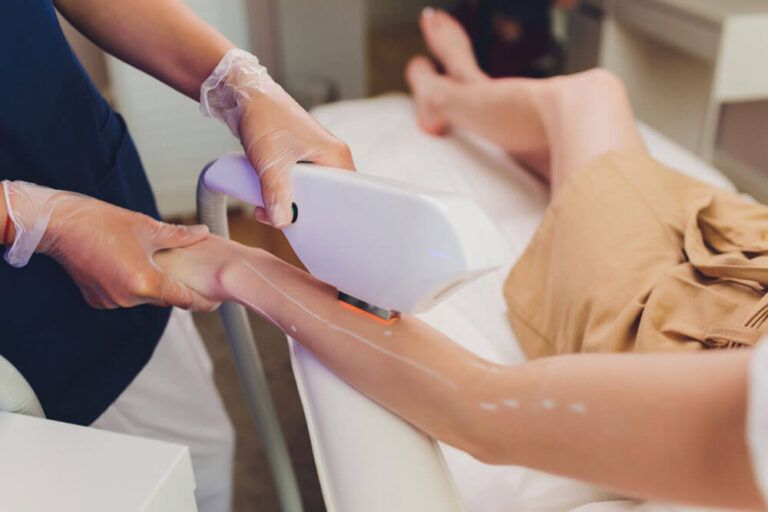
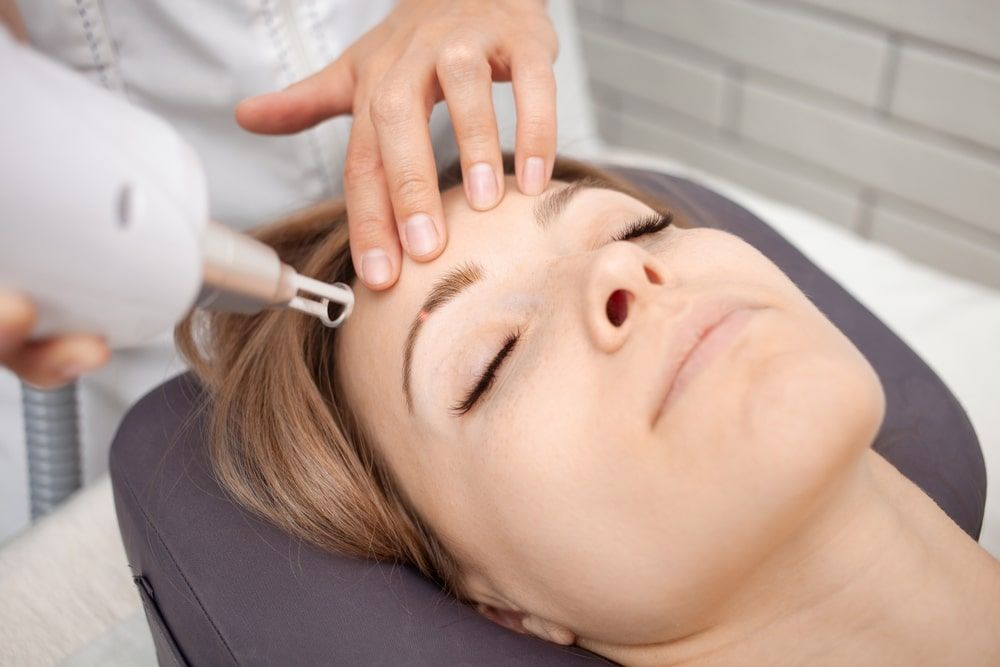
Treatments such as those described in the cosmetic tattooing and laser removal process use targeted light energy to break pigment into smaller particles so the body can gradually eliminate them. By working in a controlled and selective way, this method can fade brows, eyeliner, or lip color while minimizing stress to the skin. Because each person’s pigment composition, skin type, and tattoo depth vary, sessions are often spaced out to allow the skin to recover and the pigment to lighten naturally over time. Learn more about the laser removal approach here: cosmetic tattooing and laser removal.
Laser-based systems have become more refined, offering enhanced precision for small or delicate areas of the face. This allows for gradual improvement rather than abrupt changes, supporting a more natural progression toward the refreshed appearance you desire.
Considering Alternative or Adjunctive Approaches
While laser removal is popular, it is not the only option. In certain situations—such as pigments that contain titanium dioxide or iron oxides—other methods may provide better predictability. Tattoo color, age, and location all influence which technique is safest and most effective.
Some individuals start with conservative fading before transitioning into corrective cosmetic tattooing or updated enhancements. Others aim for near-complete removal. No matter the goal, a personalized evaluation is essential, especially for areas with thinner or sensitive skin such as the eyelids and lips.
Modern skin rejuvenation techniques may also assist the overall process. Approaches like skin resurfacing can help refine texture after pigment fades, while options such as Secret RF skin tightening may support collagen remodeling in areas that have experienced previous tattooing.
For those concerned about surrounding skin brightness or tone irregularities, facial technologies such as the AquaFirme facial can complement the removal journey by enhancing hydration and radiance.
In addition, individuals considering future enhancements may research modern brow, lip, or eyeliner techniques and compare them with options such as cosmetic tattooing for a refreshed, updated style.
What to Expect Throughout the Fading Process
Because cosmetic tattoos vary widely, removal results and timelines differ for everyone. Lighter, older, or more superficial pigments may fade more quickly, while saturated or cool-toned pigments may require more sessions.
Many people describe the experience as tolerable, similar to small pulses of warmth. Following treatment, mild redness or temporary darkening of pigment is expected. These changes typically settle within a few days as the skin begins the natural process of eliminating pigment.
For individuals addressing sensitive areas such as the lip line, supporting overall skin health also matters. Some explore hydration treatments, while others integrate wellness modalities such as restorative IV infusions to support system-wide well-being throughout the process.
Those who are navigating body tattoo fading may also learn about broad-spectrum technologies used in areas beyond the face, such as Fotona TightSculpt for body contour refinement or body tightening and sculpting options for skin firmness as part of a larger aesthetic journey.
Supporting Skin Health Before and After Removal
Healthy, balanced skin responds best to cosmetic treatments. Preparing your skin before your removal sessions may enhance comfort and improve visual outcomes as pigment fades.
A gentle, consistent skincare routine free from irritants is ideal in the weeks before starting treatment. Avoiding exfoliants, retinoids, or harsh active ingredients helps reduce sensitivity.
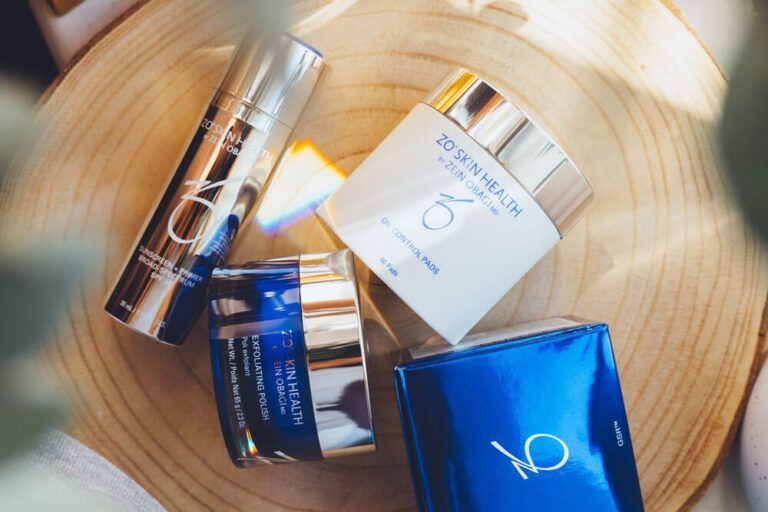
After each session, the goal is to protect the skin as it recovers. Many individuals choose soothing cleansers, moisture-rich creams, and mineral sunscreens to defend against UV exposure. Using medical-grade skincare may also support hydration, barrier strength, and overall complexion clarity during the fading process.
Some people use the removal period as an opportunity to address other aesthetic concerns, such as hair growth management. Treatments like electrolysis or Lumenis SPLENDOR X laser hair removal can be part of a broader refresh if desired.
If outdated cosmetic tattoos were initially placed to camouflage thinning brows or sparse hair, learning about modern hair restoration options such as hair restoration therapies may be beneficial.
Practical Tips for Planning Your Tattoo Removal Journey
A thoughtful plan can make the removal experience more comfortable and rewarding. Consider the following guidelines:
• Allow your skin to rest between sessions and follow post-care instructions carefully.
• Avoid sun exposure, which can alter pigment behavior and increase sensitivity.
• Maintain hydration, both through topical care and lifestyle habits.
• Communicate openly about your goals, including whether you intend to receive new cosmetic tattooing in the future.
• Support overall wellness with balanced nutrition, gentle movement, or supplemental treatments during the process.
Whether you hope to refine a faded shape, adjust color, or begin fresh, patience and consistent care help ensure natural-looking results.
Embracing a Refreshed Look
Cosmetic tattoo removal is ultimately a journey toward self-expression. As styles evolve and your preferences change, modern approaches make it possible to refine, update, or completely reset your look with thoughtful, skin-focused methods. With advanced technologies and supportive skincare, the process can be both empowering and transformative.
For those exploring these options in Sarasota and University Park, Modern Image Aesthetics & Wellness serves as a resource for understanding safe, contemporary methods for fading outdated cosmetic tattoos and supporting your long-term aesthetic goals.
Sources:
Ferguson, J. & Andrew, S. (2020). Laser-assisted removal of cosmetic tattoos: Mechanisms and considerations. Journal of Dermatologic Treatment.
Kuperman, M. et al. (2019). Pigment behavior in cosmetic tattooing and implications for removal. Dermatologic Surgery.
Ross, V. (2021). Advances in laser technology for aesthetic applications. Journal of Clinical and Aesthetic Dermatology.