

Skin reflects far more than skincare alone. Long before serums, treatments, or routines come into play, the body relies on sleep to restore balance, repair damage, and regulate the systems that keep skin healthy. When sleep becomes inconsistent or insufficient, the effects often show up quickly—dull tone, uneven texture, increased sensitivity, and a general loss of radiance.
At Modern Image Aesthetics & Wellness in Sarasota and University Park, FL, conversations about skin health often extend beyond topical care. Sleep is one of the most influential, and often overlooked, factors shaping how skin looks and functions over time. Understanding the relationship between rest and skin health helps explain why true glow starts from within.
What Happens to Your Skin While You Sleep
Sleep is not simply a pause from daily activity; it is an active repair phase for the entire body. During deeper sleep cycles, cellular turnover accelerates, damaged tissue is repaired, and energy is redirected toward regeneration rather than defense.
For the skin, this means increased blood flow, improved oxygen delivery, and heightened nutrient transport. These processes support collagen production and help maintain firmness and elasticity. At the same time, the body reduces levels of cortisol, the stress hormone that can break down collagen and impair barrier function when chronically elevated.
When sleep is consistently restorative, the skin is better equipped to heal daily micro-damage caused by sun exposure, pollution, and environmental stress.
Sleep’s Role in Collagen and Structural Support
Collagen provides the framework that keeps skin smooth, resilient, and lifted. Growth hormone, which peaks during deep sleep, plays a central role in collagen synthesis and tissue repair. Without adequate sleep, this regenerative cycle becomes disrupted.
Over time, reduced collagen production contributes to fine lines, loss of firmness, and thinner skin texture. This is why chronic sleep deprivation is often associated with premature aging signs that skincare alone struggles to correct.
Adequate sleep supports the skin’s structural foundation, helping preserve youthful contours and elasticity as the years progress.
The Immediate Effects of Poor Sleep on Skin Appearance
Even short-term sleep disruption can affect how skin looks the next day. Common signs include puffiness, dark circles, dehydration, and a lack of luminosity. These changes occur because circulation slows, lymphatic drainage becomes less efficient, and hydration balance is disrupted.
Sleep deprivation also weakens the skin barrier, making it more prone to moisture loss and irritation. As a result, skin may appear rougher, more reactive, and less even in tone. Fine lines often look more pronounced when the skin is dehydrated and fatigued.
These visible changes highlight how quickly sleep quality can influence appearance.
Circadian Rhythm and Skin Function
The skin follows a circadian rhythm just like the rest of the body. During the day, its focus is protection—shielding against UV radiation, pollutants, and environmental aggressors. At night, the focus shifts to repair and regeneration.
This rhythm explains why nighttime skincare routines are designed to support renewal. However, topical products work best when the body’s internal clock is aligned. Inconsistent sleep schedules disrupt this rhythm, reducing the skin’s ability to repair itself efficiently.
Maintaining consistent sleep and wake times helps the skin perform its natural cycle more effectively, improving tone, texture, and overall resilience.
Sleep, Inflammation, and Skin Sensitivity
Sleep quality also affects inflammation levels throughout the body. Poor sleep has been linked to increased inflammatory responses, which can worsen conditions such as acne, rosacea, and eczema. Elevated inflammation may trigger breakouts, redness, or flare-ups that are difficult to manage with skincare alone.
Quality sleep supports immune regulation and helps calm inflammatory pathways, contributing to clearer, more balanced skin. For individuals prone to sensitivity or breakouts, improving sleep can be a meaningful part of long-term skin management.
How Rested Skin Looks Different
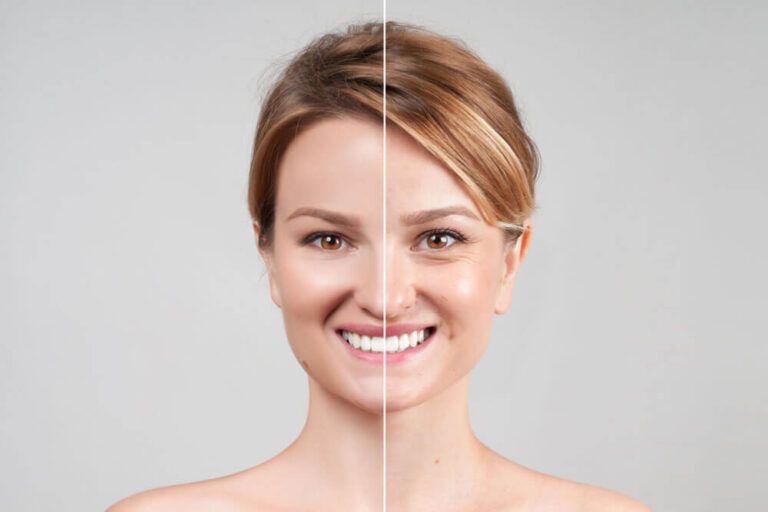
Well-rested skin tends to appear brighter, smoother, and more even-toned. Improved circulation delivers nutrients efficiently, while effective lymphatic drainage reduces congestion and puffiness, especially around the eyes.
Rest also improves the skin’s ability to retain moisture. Hydrated skin reflects light more evenly, creating the healthy glow often associated with good sleep. Over time, consistent rest supports a complexion that looks naturally refreshed rather than artificially enhanced.
These benefits accumulate gradually, reinforcing the importance of sleep as a foundational element of skin health.
Habits That Support Better Sleep and Better Skin
• Maintain a consistent bedtime and wake-up schedule
• Create a calming pre-sleep routine
• Reduce screen exposure before bed
• Keep the bedroom cool, dark, and quiet
• Manage stress through relaxation techniques
• Avoid caffeine and heavy meals late in the evening
• Aim for 7–9 hours of quality sleep each night
Small, consistent changes can significantly improve sleep quality and, in turn, skin vitality.
Pairing Sleep With Skincare for Stronger Results
Sleep and skincare function best together. While sleep drives internal repair, skincare supports the surface barrier and protects against daily stress. Gentle cleansing, hydration-focused serums, and barrier-repair moisturizers work synergistically with the body’s overnight renewal process.
Ingredients such as peptides, antioxidants, and hydrating agents help reinforce recovery, but they cannot replace the benefits of adequate rest. When sleep improves, the skin becomes more responsive to skincare, enhancing overall results.
This balance explains why long-term skin improvement strategies often emphasize lifestyle factors alongside topical care.
Long-Term Skin Health Starts With Rest
Over time, prioritizing sleep supports skin that is more resilient, balanced, and adaptable. Individuals who sleep well often experience fewer flare-ups, smoother texture, improved elasticity, and a more even complexion. These benefits extend beyond aesthetics, contributing to overall wellness and energy levels.
Sleep also supports mental clarity and stress regulation, which indirectly influence skin health by promoting healthier habits and reducing inflammation.
A More Rested Approach to Radiance
Improving sleep is one of the most accessible and impactful ways to support skin health naturally. By enhancing collagen production, reducing inflammation, and strengthening repair processes, consistent rest allows the skin to function at its best.
For those in Sarasota and University Park, Modern Image Aesthetics & Wellness emphasizes education around lifestyle factors that influence skin quality. When sleep becomes a priority alongside skincare, the result is not just better-looking skin—but healthier skin that maintains its glow over time.
Sources
Oyetakin-White, P. et al. (2015). The effects of sleep quality on skin aging. Clinical and Experimental Dermatology.
Cedernaes, J. et al. (2015). Sleep loss and its effects on tissue repair. Journal of Clinical Endocrinology & Metabolism.
Kahan, V. et al. (2019). Circadian rhythm and skin function. Journal of Investigative Dermatology.